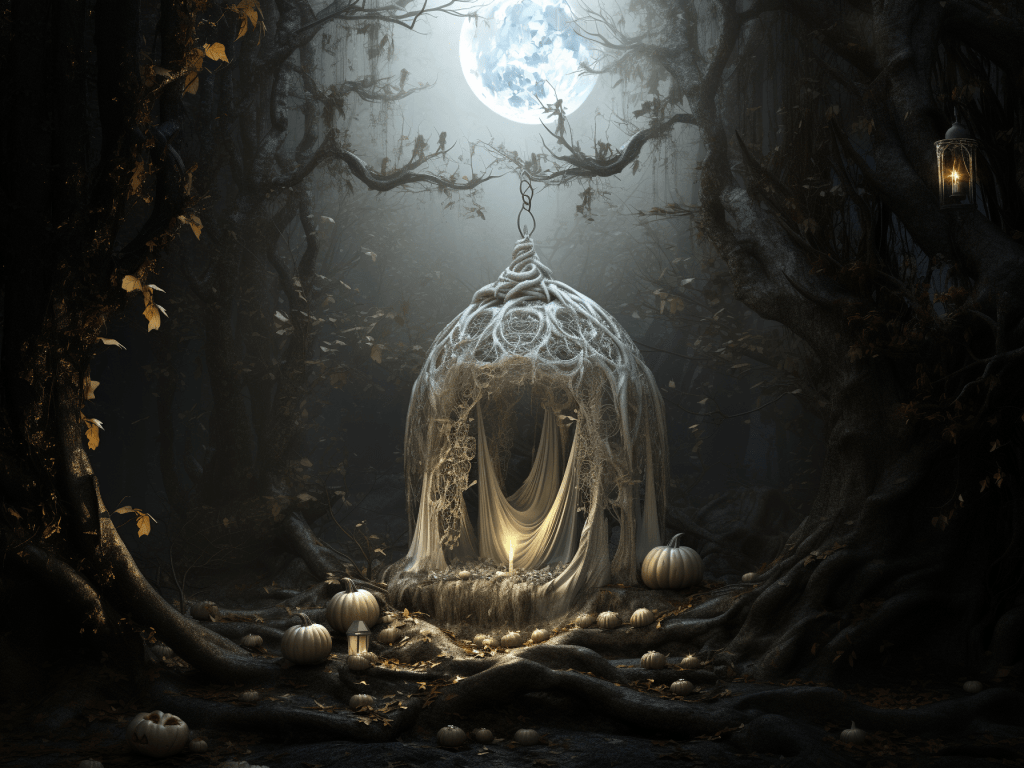
Halloween, the season of mystery and enchantment, weaves together an intricate tapestry of traditions that have roots in various cultures across the globe. As we approach this special time of year, it’s essential to acknowledge and appreciate the unique customs and histories that have contributed to the modern celebration of Halloween.
The Celtic Origins of Samhain:
Halloween’s story begins with the Celts, who celebrated Samhain, an ancient festival marking the end of the harvest season and the onset of winter. The Celts believed that during Samhain, the boundary between the living and the spirit world was at its thinnest, allowing spirits to cross over. Bonfires, costumes, and offerings were made to honor the deceased and protect the living.
Christian Influence:
In the Christian tradition, Halloween carries echoes of All Saints’ Day (November 1) and All Souls’ Day (November 2), days dedicated to honoring saints and praying for the souls of the departed. These Christian observances have added a layer of religious significance to the season.
Global Traditions:
Beyond Celtic and Christian influences, Halloween is enriched by a multitude of customs from around the world. The Chinese Hungry Ghost Festival, the Italian All Saints’ Day, and Mexico’s Día de los Muertos are just a few examples of traditions that have influenced Halloween. These diverse cultural contributions create a rich and captivating global celebration.
As we carve pumpkins, don costumes, and indulge in sweet treats, let’s take a moment to reflect on the intricate tapestry of traditions that come together to make Halloween a magical time of the year. It is a celebration of unity in diversity, where cultures intermingle and stories entwine, making Halloween a truly unique and enchanting season.
 Mystic Papyrus